
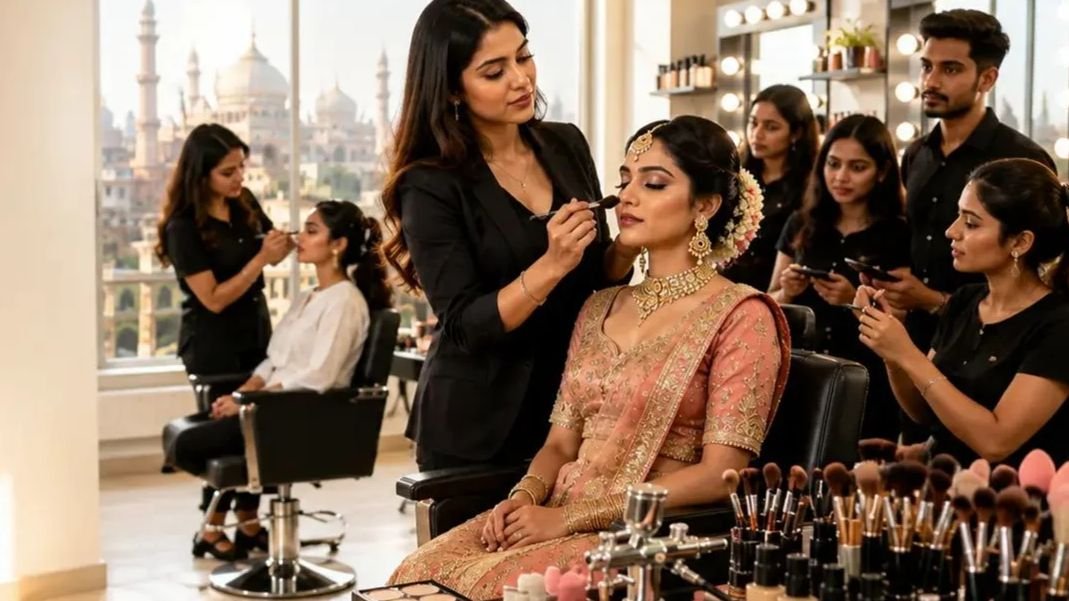
Introduction: Why Makeup Artistry Is One of Lucknow's Most Rewarding Career Choices Right Now
India's beauty and wellness industry is experiencing unprecedented growth. Valued at over ₹1.5 lakh crore and expanding at a compounded annual growth rate of 15–18%, the Indian beauty sector is creating thousands of new professional opportunities every single year. From the explosive growth of destination weddings and luxury bridal bookings to the rise of OTT platforms demanding skilled film makeup artists — and the mushrooming of beauty content creation on Instagram and YouTube — trained makeup professionals have never been in higher demand.
Yet for thousands of aspiring artists across cities like Lucknow, Kanpur, Agra, and towns across Uttar Pradesh, the path into professional makeup artistry remains unclear. What qualifications do you actually need? Which academy genuinely delivers job-ready skills? How much can you realistically earn? And when can you expect to start building a career after completing your training?
This comprehensive guide answers every important question — directly, honestly, and with the specific detail that students and parents deserve. Whether you are a fresh Class 12 graduate passionate about beauty, a working woman seeking financial independence, a career-changer drawn to the creative world of makeup, or a parent evaluating whether a makeup course is a worthy investment — the answers ahead give you everything you need.
Part 1: Eligibility and Admissions — Who Can Study Makeup Artistry?
What is the minimum qualification to join a makeup academy?
Most makeup academies accept students who have completed Class 10 or Class 12 from any recognised board. No prior makeup or beauty experience is required. Some advanced professional courses may prefer Class 12 graduates, but many short-term certification programmes are open to students as young as 16–17 years.
Is there an age limit for joining a makeup academy?
There is no strict upper age limit for makeup courses. Students from 16 to 45+ years successfully pursue makeup artistry training. The beauty industry welcomes learners of all ages. Housewives, working professionals changing careers, and fresh school graduates all find a place in professional makeup academies.
Do I need any prior experience to join a makeup course?
Absolutely no prior experience is needed. Professional makeup academies are designed to train complete beginners from scratch. You will learn everything from basic skin preparation and colour theory to advanced bridal, editorial, and special effects makeup — all in a step-by-step, hands-on training environment.
Can men join a makeup academy?
Yes, absolutely. The makeup and beauty industry is entirely gender-inclusive. Many of the world's most celebrated makeup artists are men. Male makeup artists work extensively in Bollywood, bridal makeup, editorial shoots, theatre, and television. Makeup academies welcome students of all genders without any discrimination.
Can housewives or working women join a makeup academy?
Yes. Many makeup academies offer flexible weekend and evening batches specifically designed for housewives and working women. Makeup artistry is one of the most flexible careers — it can be practised freelance, from home, or part-time — making it ideal for women who want financial independence without rigid work schedules.
Part 2: Courses and Curriculum — What Will You Actually Learn?
What courses are offered at a professional makeup academy?
Leading makeup academies offer: Basic Makeup Course, Advanced Bridal Makeup course, HD & Airbrush Makeup, Nail Art & Extensions, Hair Styling & Blowout, Saree Draping, Skin Care & Facial Treatments, Mehendi/Henna Art, Special Effects Makeup, Media & Editorial Makeup, and comprehensive Professional Makeup Artist Diploma programmes combining multiple specialisations.
How long are makeup courses at a professional academy?
Course durations vary widely: Short certification programmes run 1–4 weeks. Specialised courses (bridal makeup, airbrush, nail art) typically last 1–3 months. Comprehensive diploma programmes combining makeup, hair, skin, and nail artistry run 6–12 months. Master programmes with business and freelancing modules can extend up to 12–18 months.
What is taught in a bridal makeup course?
Bridal makeup courses cover: skin preparation and base application, HD foundation techniques, contouring and highlighting, eye makeup for different eye shapes, lip shaping and colouring, saree and lehenga draping, hair styling for brides, dupatta setting, bridal jewellery coordination, long-lasting makeup techniques, and pre-bridal consultation skills for client handling.
What is airbrush makeup and should I learn it?
Airbrush makeup uses a spray gun to apply ultra-fine, flawless foundation and colour — creating a finish that is virtually seamless even in HD photography and cinematography. Learning airbrush makeup significantly increases earning potential, especially for bridal and film work. Most professional makeup artists consider it an essential advanced skill in today's market.
Is nail art included in a makeup academy programme?
Many comprehensive makeup academies include nail art as part of their beauty diploma programmes. Nail art training covers basic manicure and pedicure, gel extensions, acrylic nails, nail stamping, 3D nail art, and gel polish application. Nail artistry is a standalone income-generating skill that complements bridal and beauty services effectively.
Part 3: Choosing the Right Makeup Academy — The Questions That Separate Good Choices from Costly Mistakes
What Should You Look for Before Enrolling?
The makeup academy you choose will shape the quality of your skills, the strength of your professional network, and the speed of your career launch. Choosing carelessly costs significantly more than the course fee — it costs time, confidence, and opportunity.
Evaluate every academy rigorously across these dimensions:
Trainer Credentials and Portfolio: Ask to see your trainer's personal work — not the academy's promotional images. A trainer's portfolio tells you the actual skill level they will develop in you. Industry experience — having worked on real weddings, film sets, or fashion shoots — is irreplaceable.
Hands-On Practice Time: The ratio of theory to practical training should heavily favour practical. Makeup is a physical skill built through repetition on live models. Academies that limit practical practice produce graduates who know the theory but lack the muscle memory for professional execution.
Product Quality: The products used during your training shape your skill development. Training with professional-grade brushes and formulations — MAC, NARS, MUFE, or quality Indian professional brands — develops technique that translates directly to real client work. Academies using budget retail products teach habits that must be unlearned later.
Batch Size: Smaller batches of 5–12 students allow substantially more individual attention, more practice time on models, and a more personalised learning experience. Large batches may reduce costs but consistently reduce training quality.
Placement and Freelancing Support: Career support should extend beyond certificate presentation. Does the academy help you build your Instagram portfolio? Do they connect you with salon and studio partners? Do they teach you how to price your services, attract clients, and manage bookings?
Certification Recognition: Certificates from academies affiliated with internationally recognised bodies — CIDESCO, CIBTAC, VLCC, or Skill India — carry greater professional credibility than unaffiliated certificates.
What Does Makeup Training in Lucknow Cost?
Academy fees in Lucknow range from ₹15,000 for short certification programmes to ₹1,50,000 for comprehensive diploma programmes covering makeup, hair, nails, and skin care combined.
The critical evaluation framework: never assess cost in isolation. Assess value relative to cost. An academy charging ₹80,000 that produces graduates booking ₹15,000–₹25,000 bridal clients within six months delivers exceptional return on investment. An academy charging ₹30,000 that leaves graduates without practical skills or industry connections delivers negative value regardless of the low price.
Always request an itemised fee breakdown, confirm what is included (kit, materials, certification, placement support), and get commitments in writing before making any payment.
How do I choose the best makeup academy in Lucknow?
Evaluate academies on: qualified and experienced trainers (check their portfolio), hands-on practice time with live models, professional kit and product quality used during training, batch size (smaller is better), placement and freelancing support, alumni success stories, government or ISO recognition, and transparent fee structure. Always attend a demo class before enrolling.
What is the average makeup course fee in Lucknow?
Makeup course fees in Lucknow typically range from ₹15,000 to ₹1,50,000 depending on course duration, specialisation depth, and institute reputation. Short certification courses start from ₹15,000–₹30,000. Comprehensive diploma programmes range from ₹60,000–₹1,50,000. Always confirm what is included — kit, materials, certification, and placement support.
Is a government-recognised makeup course certificate important?
Government-recognised or internationally accredited certificates (from bodies like CIDESCO, CIBTAC, VLCC, or Skill India) carry greater credibility with salons, studios, and luxury brands. For freelancing and personal business, your portfolio and reputation matter more than certification. However, recognised certificates add professional legitimacy and can accelerate career advancement.
Do makeup academies provide a professional kit during training?
Most reputed makeup academies provide a professional makeup kit as part of the course package. Verify kit contents before enrolling — a quality kit should include professional brushes, foundation, concealer, eyeshadow palettes, lip products, setting sprays, and skincare tools. The quality of products used during training directly shapes your skill development and professional standards.
Online vs offline makeup course — which is better?
For makeup artistry, offline hands-on training is strongly recommended. Makeup is a tactile, practice-based skill — learning brush techniques, blending, product application, and client handling requires physical practice that online training cannot replicate. Online courses work well for theory, product knowledge, and supplementary learning, but practical skill mastery requires in-person training with live models.
Part 4: Career Paths and Earning Potential — The Real Numbers
What is the salary of a professional makeup artist in India?
Salaries vary widely by specialisation and experience. Fresher makeup artists earn ₹15,000–₹30,000 per month in salons or studios. Experienced bridal makeup artists charge ₹10,000–₹50,000+ per bridal assignment. Bollywood and film makeup artists earn ₹50,000–₹3,00,000+ per project. Top celebrity makeup artists command ₹1–5 lakh per booking.
How much can a bridal makeup artist earn per month?
A skilled bridal makeup artist in a Tier 1 or Tier 2 city can earn ₹50,000–₹2,00,000+ per month during peak wedding seasons (October–February and April–May). Even in off-season months, 8–12 bridal bookings at ₹8,000–₹25,000 per bride generate strong monthly income. Building a strong portfolio and Instagram presence dramatically accelerates bookings.
What are the career options after completing a makeup course?
Career options include: Freelance Bridal Makeup Artist, Salon Makeup Artist, Film & Television Makeup Artist, Fashion & Editorial Makeup Artist, Theatre Makeup Artist, Beauty Brand Trainer, Makeup Academy Trainer, Beauty Blogger/Content Creator, Makeup Studio Owner, Skincare Consultant, and International Beauty Cruise or Hotel Spa Artist. The beauty industry offers diverse paths for every personality type.
Can I start my own makeup business after the course?
Absolutely. Many makeup academy graduates successfully launch their own bridal studios, home-based makeup services, or beauty academies within 1–2 years of completing training. Starting costs are relatively low compared to most businesses. A strong Instagram portfolio, word-of-mouth reputation, and consistent client service quality are the primary drivers of a successful independent makeup business.
Is freelance makeup artistry a stable source of income?
Yes — especially for bridal and event specialists. India's wedding industry is valued at over ₹3.75 lakh crore annually, and professional makeup is a non-negotiable component of every wedding budget. Skilled freelance makeup artists with strong portfolios and online visibility enjoy consistent bookings, particularly during the October–February and April–June wedding seasons.
Part 5: Techniques, Specialisations and Products — Building Professional Mastery
What is HD makeup and why is it in demand?
HD (High Definition) makeup uses ultra-fine, lightweight formulations designed to look flawless under high-resolution cameras, studio lighting, and 4K video. As weddings, receptions, and events are increasingly documented in professional photography and cinematography, HD makeup has become the preferred choice for brides and event clients who want skin that looks perfected in every image.
What is the difference between party makeup and bridal makeup?
Party makeup is designed for evening events — typically bolder, more expressive, and intended to last 4–6 hours. Bridal makeup must be long-lasting (12–18 hours), photograph beautifully under varied lighting, complement the bride's lehenga or saree colour, coordinate with jewellery and hairstyle, and withstand emotional moments including tears — making it technically far more demanding.
What is special effects (SFX) makeup?
Special Effects (SFX) makeup creates realistic illusions — wounds, ageing, fantasy characters, burns, and prosthetics — for film, television, theatre, and Halloween events. SFX is a highly specialised and well-compensated niche. With OTT platforms (Netflix, Amazon Prime, Disney+) booming in India, demand for trained SFX makeup artists is growing rapidly in the Indian entertainment industry.
Should I specialize in one makeup style or learn everything?
Begin with a broad foundation — learn all makeup styles to build versatility and understand your natural strengths. Then specialize in 1–2 areas where you excel and enjoy working. Bridal specialists, editorial artists, and SFX experts typically command higher fees than generalists. However, versatility is essential in the early career stage when building your client base and reputation.
Part 6: Portfolio & Social Media — Building Professional Branding
How important is an Instagram portfolio for makeup artists?
Instagram is the primary business tool for makeup artists today. Brides, event clients, and brands discover and book makeup artists almost exclusively through Instagram portfolios. A well-curated Instagram profile with high-quality before-and-after images, consistent posting, relevant hashtags, and location tagging can generate a full calendar of bookings without any other marketing investment.
When should I start building my makeup portfolio?
Start from day one of your training. Every practice session on a live model is an opportunity to photograph your work. Use your training period to build a diverse portfolio covering bridal, party, editorial, and natural looks. By graduation, you should have 30–50 strong portfolio images ready to launch your professional Instagram and begin client outreach.
Can makeup artists earn from YouTube or content creation?
Yes — and increasingly so. Makeup tutorial channels on YouTube with 50,000+ subscribers can earn ₹30,000–₹2,00,000+ monthly through AdSense, brand collaborations, affiliate marketing, and online course sales. Beauty content creators on Instagram and YouTube who build genuine audiences also attract partnerships with cosmetic brands for paid promotions and product launches.
Part 7: Products & Tools Required — During Makeup Courses
What products does a professional makeup artist need to start?
A professional starter kit should include: foundation range (multiple shades for different skin tones), concealers, contour and highlight products, eyeshadow palettes (neutral and bold), eyeliners, mascaras, lip products in varied shades, setting powder and spray, professional brushes (minimum 15–20 pieces), blending sponges, primer, and skincare essentials for skin prep. Total kit investment: ₹15,000–₹50,000.
Which makeup brands are best for professional artists?
Professional-grade brands trusted by Indian makeup artists include: MAC, NARS, Charlotte Tilbury, Huda Beauty, Makeup Forever (MUFE), Bobbi Brown, and Anastasia Beverly Hills for international options. Indian professional brands include Faces Canada, Kay Beauty, Insight Cosmetics, and Swiss Beauty — offering professional quality at more accessible price points for building client kits.
Part 7: Online Search Related FAQs — For Makeup Courses
Which is the best makeup academy in Lucknow?
The best makeup academy in Lucknow offers experienced trainers with verifiable industry portfolios, hands-on training with live models, professional-grade products during training, small batch sizes for personalised attention, placement and freelancing support, and internationally recognised certification. Always verify trainer credentials, visit the academy, and attend a demo class before enrolling.
Is makeup course available in Hindi medium in Lucknow?
Yes. Most makeup academies in Lucknow conduct training in Hindi or a bilingual Hindi-English format, making professional beauty education accessible to students from all educational backgrounds. English terminology for products and techniques is taught progressively, ensuring graduates can communicate professionally with clients and brands.
Do makeup academies in Lucknow offer job placement?
Reputed makeup academies in Lucknow provide placement assistance connecting graduates with salons, beauty studios, bridal studios, and event companies. Leading academies also support freelancing setup — helping students build portfolios, create Instagram profiles, and develop client acquisition skills essential for independent practice.
Can I learn makeup at home in Lucknow?
While basic techniques can be explored at home via YouTube tutorials, professional-level skill development requires structured academy training with live models, expert feedback, and professional products. Home-based learning can supplement academy training but cannot replace the hands-on experience essential for a professional makeup career. Enrolling in a reputed Lucknow academy is strongly recommended.
How quickly can I start earning after completing a makeup course?
Many makeup academy graduates begin earning within 1–3 months of completing training — starting with friends, family, and social circle clients, building portfolio images, and gradually attracting paying bridal and event clients. With strong social media presence and consistent quality, graduates commonly report achieving ₹20,000–₹50,000 monthly income within their first year of practice.
Conclusion: Your Makeup Career Begins With One Informed Choice
The beauty industry in India is not slowing down — it is accelerating. Weddings are becoming more elaborate, photography and videography standards are rising, OTT content is creating consistent film makeup demand, and social media is creating entirely new income streams for skilled beauty professionals.
For students and aspiring artists in Lucknow and across Uttar Pradesh, professional makeup training is one of the most accessible, flexible, and genuinely rewarding career investments available. The barriers are low — no specific academic background, no age restriction, and no prior experience required. The earning potential is real — from ₹20,000 monthly for beginners to several lakhs monthly for established bridal specialists and content creators. And the lifestyle flexibility is unmatched — your calendar, your clients, your income, and your creative expression, entirely on your terms.
Choosing the right makeup academy is the single most important decision in this journey. Take the time to verify trainer credentials, assess hands-on training quality, confirm placement support, and ensure certification credibility before committing. The right academy does not just teach you makeup — it builds the professional foundation your entire career will grow from.
Your passion for beauty, channelled through professional training and genuine commitment, has the power to become a thriving career. The only remaining question is when you begin.
Quick Reference FAQ Summary
Q: Do I need Class 12 to join a makeup academy? Class 10 is sufficient for most programmes. No specific stream or subject background is required.
Q: How soon after training can I start earning? Most dedicated graduates begin earning within 1–3 months of completing training, with monthly incomes of ₹20,000–₹50,000 achievable within the first year.
Q: Is freelance makeup artistry a stable career? Yes — especially for bridal specialists. India's ₹3.75 lakh crore wedding industry ensures consistent year-round demand for skilled professional makeup artists.
Q: Which makeup specialisation earns the most? Bridal makeup, airbrush artistry, and film/media makeup command the highest fees. International bridal and celebrity makeup commands premium rates across all categories.
Q: Can I start a makeup business from home? Yes. Many successful makeup artists operate entirely from home studios or travel to client locations — keeping overhead minimal while maintaining full schedule flexibility.